Music is more than just an art form—it is a universal language that connects people, expresses emotions, and nurtures creativity. If you are looking to develop your musical talent, Austin, Texas, is one of the best cities in the United States to pursue that dream.
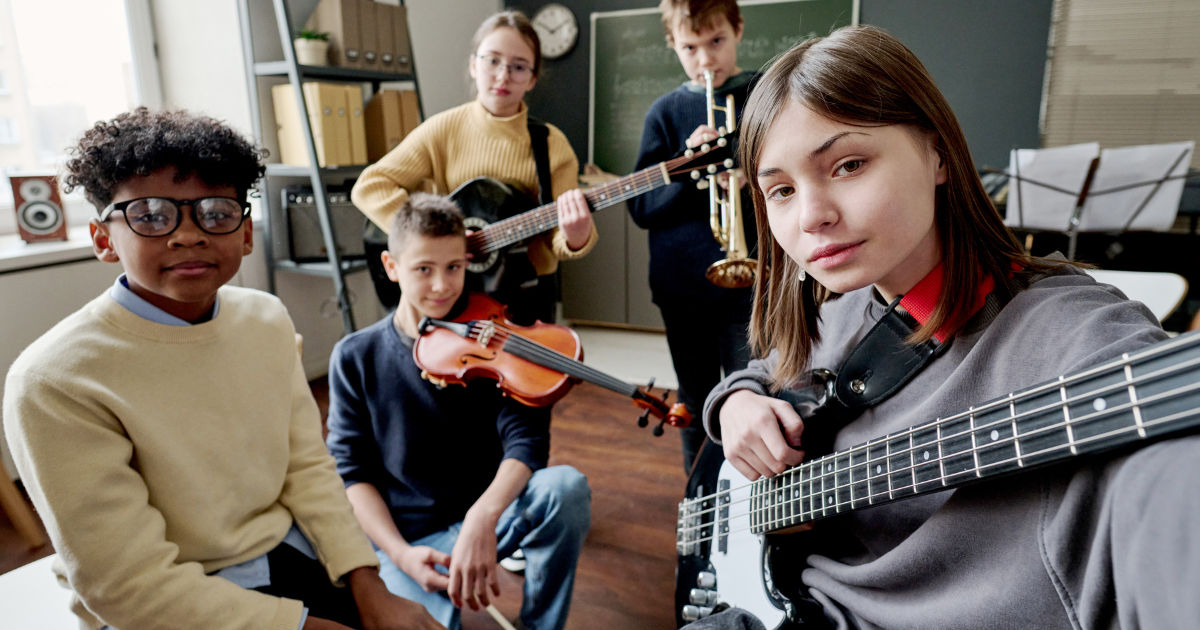
Known as the “Live Music Capital of the World,” Austin is home to some of the finest music schools in the nation. Music schools in Austin offer not only exceptional training but also immersive experiences that prepare students for professional careers in music.
In this guide, we will explore what the best Austin music academies offer, from quality instruction to performance opportunities, community engagement, and modern technology integration.
Whether you are a beginner or an aspiring professional, understanding the benefits and unique features of these schools can help you make the right choice for your musical journey.
Why Choose Music Schools in Austin?
Austin has a vibrant music scene that attracts musicians from all over the world. Choosing the right music school is crucial because it influences your growth as an artist. Music schools in Austin stand out due to several unique factors:
-
Professional Networking Opportunities: Many schools are connected with local music festivals, recording studios, and performance venues, offering students real-world exposure.
-
Diverse Music Programs: From classical to jazz, rock, blues, and contemporary styles, Austin music academies cater to various genres.
-
Experienced Faculty: Highly qualified instructors, often active musicians themselves, guide students with practical insights.
-
Access to Performance Spaces: Students can perform in prestigious venues, which helps build confidence and stage presence.
These factors create an environment where musical talent can thrive, making Austin a top choice for anyone serious about music education.
Core Programs Offered by Austin Music Academies
The best Austin music schools offer a variety of programs designed to develop technical skills, creativity, and musical understanding.
Private Lessons and Instrument Training
One of the most valuable offerings of music schools in Austin is private lessons. These lessons provide individualized attention tailored to the student’s skill level and goals. Common instruments taught include:
-
Piano
-
Guitar
-
Violin
-
Drums
-
Voice
Private lessons focus on technique, theory, and performance skills, allowing students to progress faster than in a group setting. Many schools also offer specialized lessons, such as jazz improvisation, electronic music production, and songwriting.
Group Classes and Ensembles
Group classes help students develop teamwork, timing, and collaborative skills. Ensembles are particularly popular in Austin, giving students the chance to perform in bands, orchestras, and choirs. Participating in group performances also teaches stage presence and audience interaction, which are essential for professional musicians.
Music Theory and Composition
Understanding music theory is vital for any serious musician. Music schools in Austin integrate comprehensive theory courses into their curriculum. Students learn about harmony, melody, rhythm, and composition. Advanced programs even cover arranging and scoring for various instruments, helping students expand their creative capabilities.
Recording and Production Training
With the music industry increasingly relying on technology, recording and production skills are essential. Many Austin music academies offer courses on:
-
Digital Audio Workstations (DAWs) like Pro Tools and Logic Pro
-
Recording techniques
-
Mixing and mastering
-
Sound design
These programs equip students with the skills to produce professional-quality music independently.
Specialized Programs for Young Musicians
Austin music schools understand that early exposure can shape a lifelong passion for music. Many academies provide specialized programs for children and teenagers, including:
-
Early childhood music classes that introduce rhythm, melody, and basic instrument skills
-
Teen ensemble programs to develop collaborative performance experience
-
Summer music camps focusing on intensive training and creative projects
These programs nurture talent from a young age while also building discipline, creativity, and confidence.
Faculty and Mentorship
A defining feature of top Austin music academies is the quality of their faculty. Teachers are often experienced performers, composers, and industry professionals. This allows students to learn not only technical skills but also practical advice on pursuing a music career.
Mentorship programs are also common, pairing students with experienced musicians who provide guidance, feedback, and industry insights. These relationships can be invaluable for navigating the complexities of a music career, from auditions to professional networking.
Performance Opportunities
Practical experience is key in music education. Music schools in Austin provide numerous opportunities for students to perform in front of live audiences, which is critical for developing stage confidence and professionalism.
Concerts and Recitals
Regular student recitals allow learners to showcase their progress. These events range from small in-school performances to larger concerts held in prominent Austin venues.
Community Engagement
Some academies encourage students to participate in local events, charity concerts, and festivals. This not only helps students gain exposure but also strengthens community ties and real-world experience.
Collaborations and Competitions
Many schools foster collaboration between students and professional artists. Competitions and showcases are also popular, helping students challenge themselves and gain recognition for their talent.
Technology and Modern Facilities
Modern music education relies heavily on technology. The best Austin music schools provide:
-
State-of-the-art recording studios
-
Advanced practice rooms with modern instruments
-
Music software and technology labs
-
Online learning platforms for flexible instruction
These facilities ensure that students can learn and practice in a professional environment, preparing them for careers in both performance and music production.
Curriculum Flexibility
Not every student follows the same path, and Austin music academies understand that. They offer flexible curricula to accommodate diverse learning styles and career goals.
Tailored Learning Plans
Students can often choose courses that align with their interests, such as classical music, jazz improvisation, contemporary music, or music technology.
Part-Time and Full-Time Options
Some students may want intensive full-time programs, while others might prefer part-time courses to balance school or work commitments. Music schools in Austin typically offer both options, making music education accessible to a wider audience.
Online and Hybrid Learning
In response to growing digital trends, several schools provide online or hybrid programs. This allows students to learn from home while still accessing expert instruction and interactive lessons.
Career Development Support
Many Austin music academies go beyond teaching to help students launch professional careers. Career development services include:
-
Guidance on auditions and college applications
-
Industry networking opportunities
-
Workshops on music business and marketing
-
Internship placements with local studios or performance groups
This support ensures that students not only excel musically but also understand how to navigate the professional music industry.
Choosing the Right Music School in Austin
Selecting the ideal academy requires careful consideration. Here are some tips for prospective students:
-
Research Programs: Look for schools that offer courses aligned with your goals and preferred music style.
-
Check Faculty Credentials: Experienced instructors can make a significant difference in your learning experience.
-
Evaluate Facilities: Modern studios, instruments, and practice spaces enhance your learning environment.
-
Consider Performance Opportunities: Regular concerts, ensembles, and competitions are crucial for real-world experience.
-
Read Reviews and Testimonials: Hearing from current and former students can provide valuable insights into the school’s environment and quality.
Visiting schools, attending trial classes, and speaking with faculty members can also help you make an informed decision.
Popular Music Schools in Austin
Austin hosts a variety of prestigious music academies that cater to different skill levels and interests. Some well-known institutions include:
-
Austin School of Music: Known for its comprehensive programs in contemporary music, including guitar, bass, piano, and vocals.
-
Berklee Austin: An extension of the renowned Berklee College of Music, offering advanced courses in performance and music production.
-
Austin Classical Guitar Academy: Focused on classical guitar training, theory, and ensemble work.
-
The Contemporary Music Center: Offers programs for modern music styles, songwriting, and recording technology.
These academies provide diverse pathways for students to explore their musical passions and build professional careers.
Additional Benefits of Austin Music Schools
Beyond instruction, students enjoy unique benefits that make Austin a top choice for music education:
-
Cultural Immersion: Austin’s music festivals, live performances, and local music culture provide inspiration and exposure.
-
Community Engagement: Students can connect with local musicians, bands, and organizations, expanding their professional network.
-
Personal Growth: Music education enhances creativity, discipline, critical thinking, and emotional expression, skills valuable beyond music.
Conclusion
In conclusion, the best music schools in Austin provide more than just musical training—they offer a holistic environment where students can grow as artists, performers, and professionals. With world-class faculty, modern facilities, diverse programs, and abundant performance opportunities, these schools equip students with the skills and experiences needed to succeed in the music industry.
Whether you are a beginner seeking to explore your passion or an advanced musician preparing for a professional career, Austin’s music academies offer the resources, mentorship, and inspiration to help you reach your goals. By choosing the right school, immersing yourself in Austin’s vibrant music culture, and taking advantage of the opportunities available, you can transform your musical ambitions into reality.
For anyone serious about pursuing music, Austin is not just a city—it is a stage, a classroom, and a community where talent meets opportunity. With careful planning and dedication, students can thrive in one of the best music education environments in the country.